Mold remediation
Mold is a moisture problem with a visible symptom. It grows on wet drywall, wood and paper within days of a leak, a flood, or a crawl space that never dried out. Cleaning the surface without fixing the moisture just resets the clock. Remediation means containing the area, removing the affected material, cleaning what stays, and drying the structure so the conditions that grew it are gone.
What remediation covers
- Containment of the work area so spores do not spread through the house
- Removal of mold-affected drywall, insulation, carpet and trim
- HEPA air filtration during the work and HEPA vacuuming afterwards
- Cleaning and antimicrobial treatment of framing and other materials that stay
- The moisture source identified and the structure dried
- Rebuild of the removed materials once the area is clean and dry
When a small spot is not small
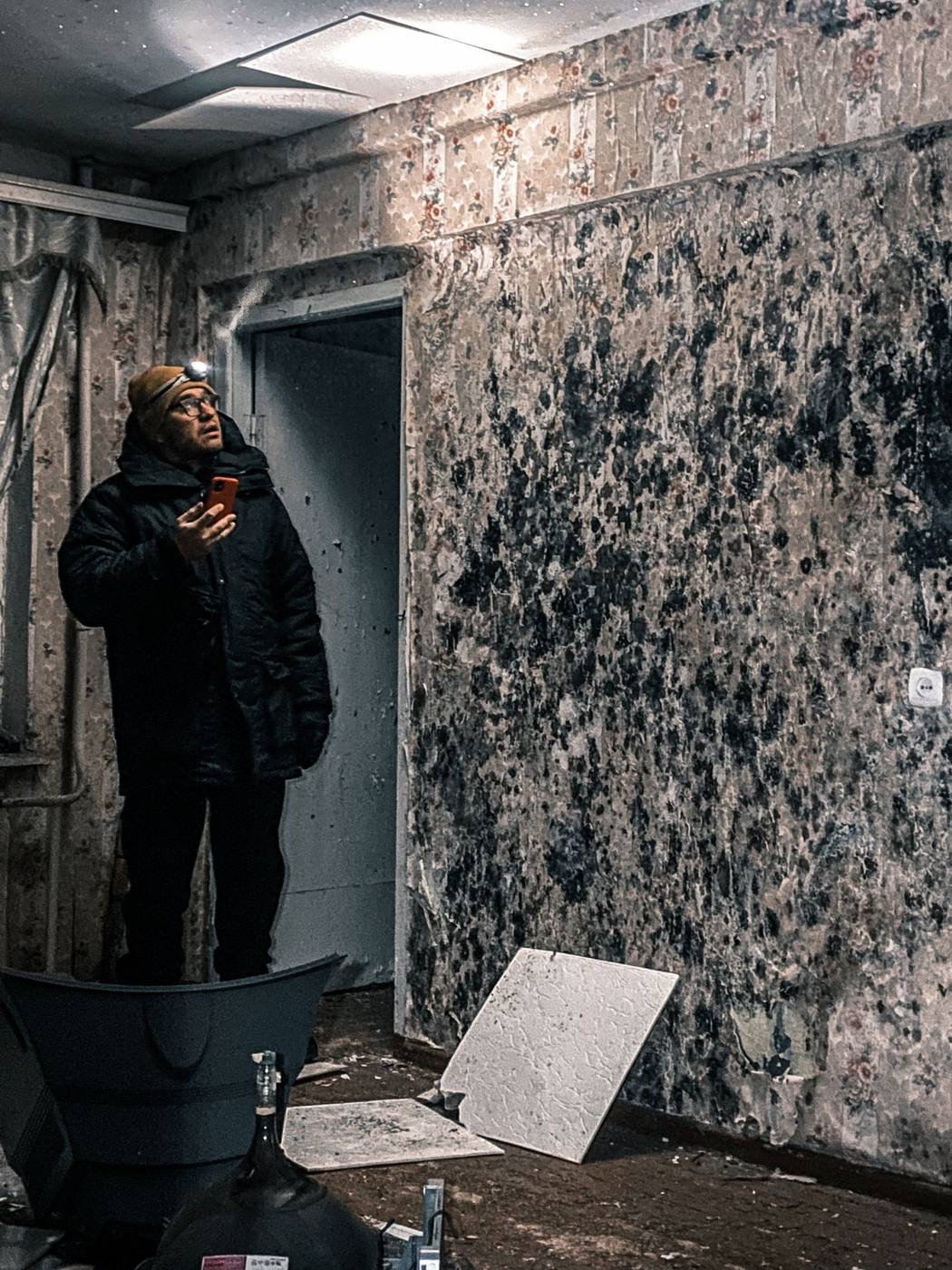
Mold on a wall surface usually means the back of the drywall and the framing behind it are worse. Mold in a bathroom ceiling corner may be a ventilation issue; mold along a baseboard or a window sill is almost always water getting in. We open the area to see how far it goes rather than treat the visible patch.
Crawl spaces and basements
Georgia crawl spaces run humid, and a vented crawl space with wet soil or a past leak grows mold on the floor joists above it. If you smell it in the house, look below. We remediate crawl spaces and address the moisture that caused it.
Questions about mold remediation
Is the mold dangerous?
Some people react to it more than others. If anyone in the house has breathing problems or allergies, keep them out of the affected area until it is remediated.
Can I just spray it with bleach?
Bleach cleans the surface and leaves the moisture and the roots in porous material. It comes back. Removal plus drying is what stops it.
Will insurance cover mold?
Often only when it follows a covered water loss, and often with a limit. Your policy decides. We document the water cause and the extent of the growth.